


By Mehmet Enes Beşer
Türkiye has become a Dialogue Partner of ASEAN, but a higher diplomatic title will not create regional influence on its own. Türkiye already has a broad cooperation agenda and an ASEAN–Türkiye Fund at the ASEAN Secretariat. The next step is to turn that existing fund into a predictable multi-year program, supported by a small implementation team in Jakarta and judged by projects completed across several member states.
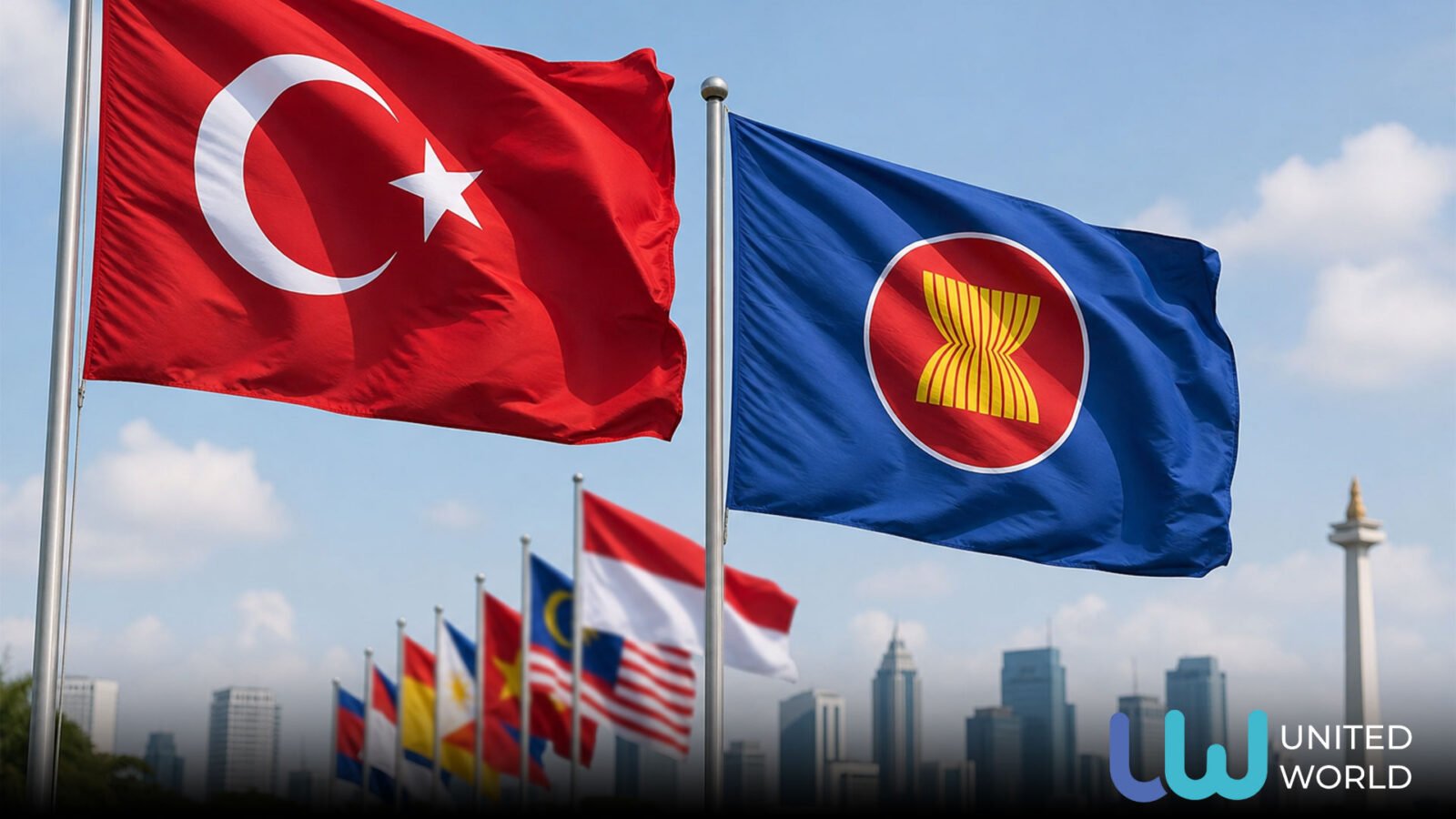
Türkiye is approaching an important institutional threshold in Southeast Asia. At the 48th ASEAN Summit in May 2026, ASEAN leaders reaffirmed their agreement in principle to grant Türkiye Dialogue Partner status, subject to the completion of the review of the moratorium on new partners. On 21 July 2026, ASEAN foreign ministers meeting in Manila finally agreed to establish a Dialogue Partnership with Türkiye.
The institutional base is already in place. Türkiye has been an ASEAN Sectoral Dialogue Partner since 2017, and its embassy in Jakarta has been accredited to ASEAN since 2010. The Practical Cooperation Areas for 2024–2028 provide the current action plan, while annual trilateral and Joint Sectoral Cooperation Committee meetings provide the main political and technical channels.
Existing cooperation ranges from transnational crime and humanitarian mine action to trade, tourism, agriculture, education and human resource development. More recent discussions have included cybersecurity, digital integration, supply-chain resilience and disaster management.
The breadth reflects political goodwill, but it also makes priorities difficult to see. Activities remain scattered across ministries, agencies and bilateral relationships. An upgraded status would provide more access and visibility without necessarily changing this project-by-project model.
A regional presence also requires officials who follow ASEAN throughout the year, not only during ministerial visits. Türkiye already has an ambassador accredited to ASEAN, but the Jakarta embassy would benefit from a small team responsible for project development, coordination and monitoring.
The harder question is financing. Türkiye has already established the ASEAN–Türkiye Fund at the ASEAN Secretariat, while ASEAN still classifies its cooperation with Türkiye as predominantly project-based. Ankara should make predictable multi-year contributions to the existing fund and agree with ASEAN on a limited program framework, rather than financing isolated activities one by one.
A regional industrial-upgrading program for small and medium-sized enterprises would be a sensible place to begin. It could combine supplier certification, workplace skills, production digitalization and links between local firms and regional value chains. Türkiye could draw on its experience with organized industrial zones, vocational education and manufacturing, while supporting ASEAN priorities on industrial resilience, connectivity and narrowing development gaps.
ASEAN has already encouraged Türkiye to support the implementation of ASEAN 2045: Our Shared Future and called for its backing of the ASEAN Connectivity Strategic Plan and the Initiative for ASEAN Integration Work Plan V. A regional program for smaller manufacturers would offer one practical response.
The pilot should involve member states at different stages of industrial development. It might connect a more established manufacturing hub with one or two economies seeking to strengthen local suppliers. ASEAN institutions should help shape the project from the beginning, rather than being invited after Ankara and one national government have already designed it. This would also prevent the initiative from becoming another bilateral program with an ASEAN label attached to it.
Success could be tracked through a few practical indicators: firms gaining recognized certification, workers remaining in relevant employment, suppliers winning new contracts and local institutions continuing the program after Turkish funding ends.
Strong bilateral ties will still matter. Indonesia and Malaysia could provide political support, business partners and early pilot locations. But no single member state can confer ASEAN-wide legitimacy. The program would still need to be designed with the Secretariat and remain viable as the chairmanship rotates each year.
The timing is favorable. ASEAN and Türkiye are already discussing the future of the partnership, and 2027 will mark the tenth anniversary of Türkiye’s Sectoral Dialogue Partner status.
Ankara should use the 2027 anniversary to show what the existing ASEAN–Türkiye Fund has delivered and what it will finance next, rather than presenting another list of intentions.
Türkiye does not need a presence in every ASEAN initiative. It needs to become reliable in the areas it chooses. In practice, that requires a modest but steady team in Jakarta, predictable funding and a regional program that ASEAN institutions have helped design.