

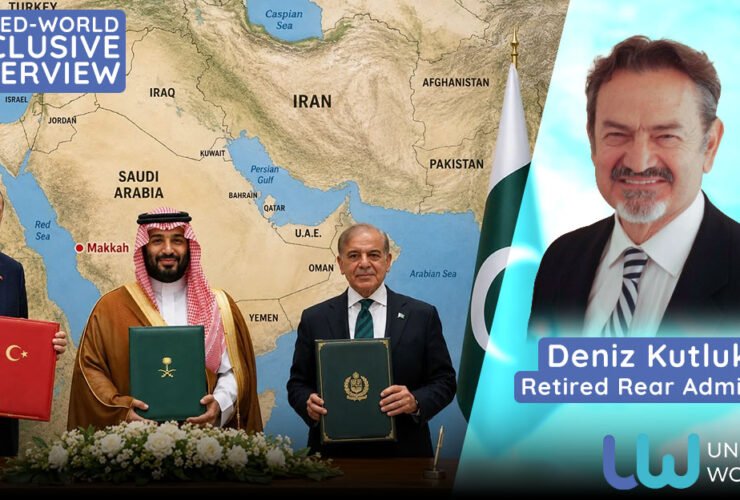
On August 7, Türkiye, Saudi Arabia, and Pakistan signed the “Mecca Mutual Defense Agreement.” The agreement came as a surprise. But that surprise is hardly surprising: there had been no sign that such a pact was in the works. At least not for those “outside the state apparatus.” The process that led to the agreement remains as obscure as the ...
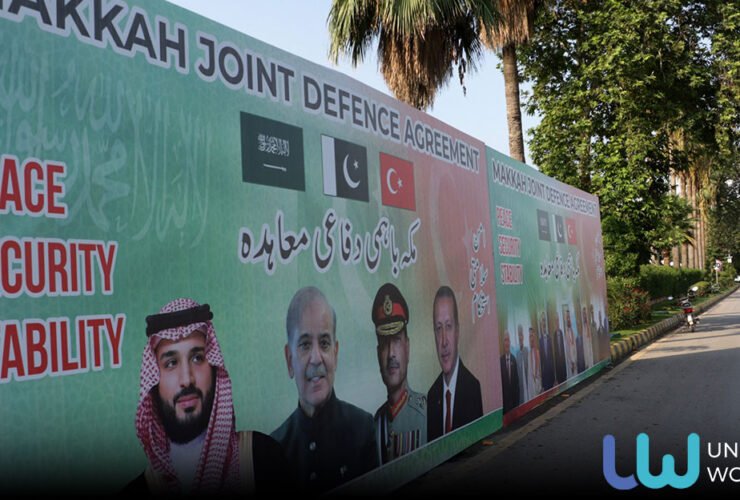
The recent Mecca Agreement between Türkiye, Saudi Arabia and Pakistan has been presented as the beginning of a new regional security architecture. Yet behind the language of cooperation and deterrence lies a fundamental ambiguity: the alliance does not clearly identify the threat against which its members are supposed to act. For Alptekin Dursunoğlu, editor-in-chief of the Near East News agency, ...
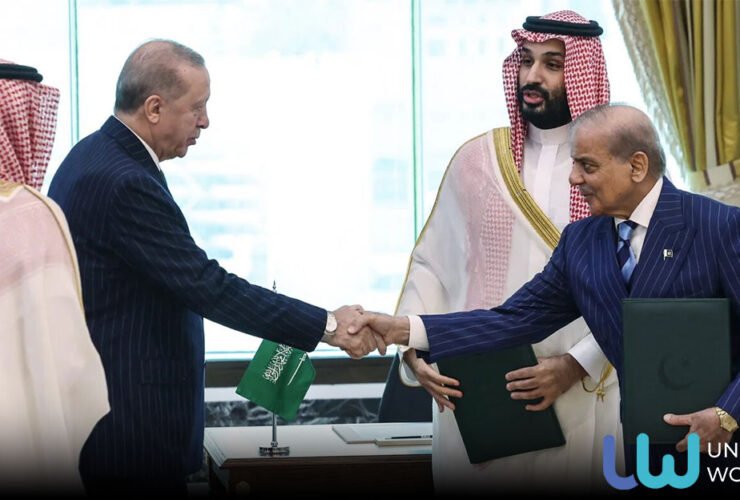
To answer the question posed in the title of this article, it is useful to outline certain contextual facts regarding the conjunctural background of the Mecca Agreement, signed between Türkiye, Pakistan, and Saudi Arabia, which is stated to be the result of approximately 2.5 years of preparation. To summarize: 1. The global weakening of American hegemony has two fundamental consequences ...
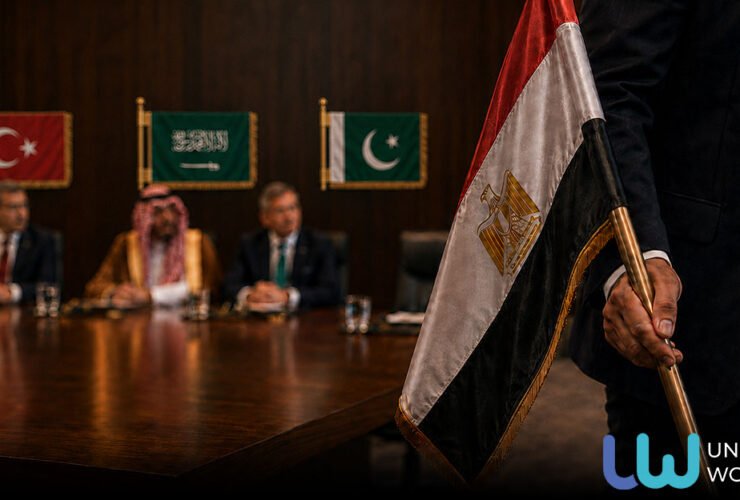
Egypt has not been absent from the regional coordination landscape, nor does it need to prove its presence by joining new military alliances or blocs. Cairo remains committed to coordination with its partners, foremost among them Saudi Arabia, Türkiye, and Pakistan, but on its own terms and in line with its national interests and established principles. At the heart of ...
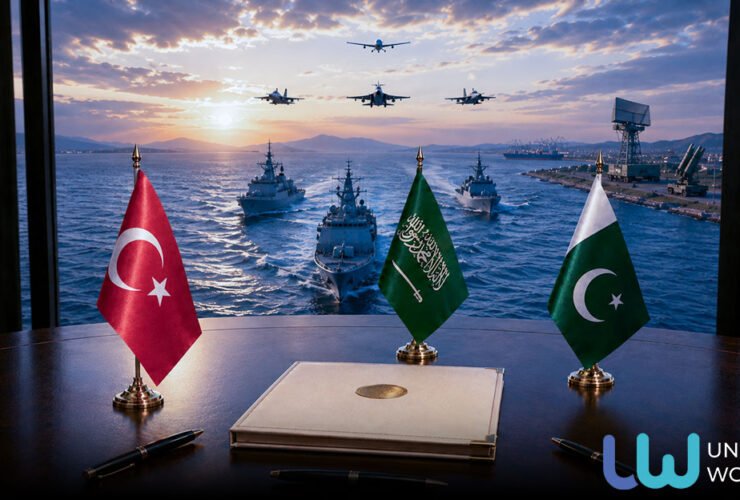
By Adem Kılıç, Political Scientist The joint defense agreement signed recently in Mecca by Türkiye, Saudi Arabia, and Pakistan should be regarded as an agreement that will have major implications not only for the region but also for the emerging new world order. Although global media and various actors have focused particularly on the provision that “an armed attack against ...