


By Mehmet Enes Beşer
Electric vehicles have been synonymous with eco-friendly modernity and are seen as integral to the future of sustainable transport. For ASEAN countries faced with air pollution issues, increased oil imports, and climate obligations, a shift towards electric propulsion represents an opportunity for sustainable development. Many of the ASEAN nations have adopted innovative measures in support of domestic EV manufacturing, infrastructure development, and market uptake. Nonetheless, the reality of zero-tailpipe emissions paints a different picture. Both the life cycle greenhouse gas (GHG) emissions and overall environmental impact of electric vehicles (EVs) and batteries depend on the interplay between life cycle emissions, energy mix, supply chains, and recycling—each posing its own challenges in Southeast Asia.
Zero-tailpipe emissions make up the core of the current narrative surrounding electric cars. This positive feature is undeniable and even more important in densely populated megacities like Jakarta, Manila, and Bangkok, where ICE-powered engines account for much of the air pollution. Still, assessing the climate benefits of the switch to electric mobility entails taking into account the full life cycle of the vehicle, including production, electricity generation, and disposal/recycling. From this vantage point, the picture becomes far less straightforward and, for many ASEAN countries, even more complicated.
First and foremost, the carbon intensity of electricity generation differs vastly across the ASEAN region. In those countries such as Vietnam and Indonesia that rely primarily on coal-fired electricity plants, the global warming potential (GWP) of EV recharging can be greater than that of an efficient hybrid car. This is because charging an EV in a coal-dominated electricity mix involves large indirect emissions in the use phase, negating a sizable portion of the GHG benefits related to the reduction in tailpipe emissions. Hydropower-based energy generation in Lao People’s Democratic Republic and Myanmar makes a much better choice for EV operations, while Thailand and Malaysia stand somewhere in between, being more diversified and embracing renewable sources, including solar energy.
The above implies the importance of electricity generation decarbonization alongside the rollout of electric mobility technology. Without low-carbon electricity, there would be little benefit to using EVs in terms of climate change mitigation. Furthermore, the peak-time charging of EVs in a carbon-intensive electricity grid is likely to result in elevated emissions. Hence, proper charging infrastructure, dynamic pricing schemes, and demand-side management solutions play an important role in ensuring that EV energy needs coincide with cleaner electricity production.
Secondly, the environmental aspect of EV use relates to batteries used in electric cars. Namely, batteries, most often lithium-ion batteries, involve the use of minerals such as lithium, cobalt, nickel, and graphite. Their extraction, processing, and use cause negative environmental consequences, along with socio-economic issues, particularly when they are extracted in the Democratic Republic of Congo. While this is not a serious concern in Southeast Asia, it still raises ethical questions regarding green mobility initiatives in the region.
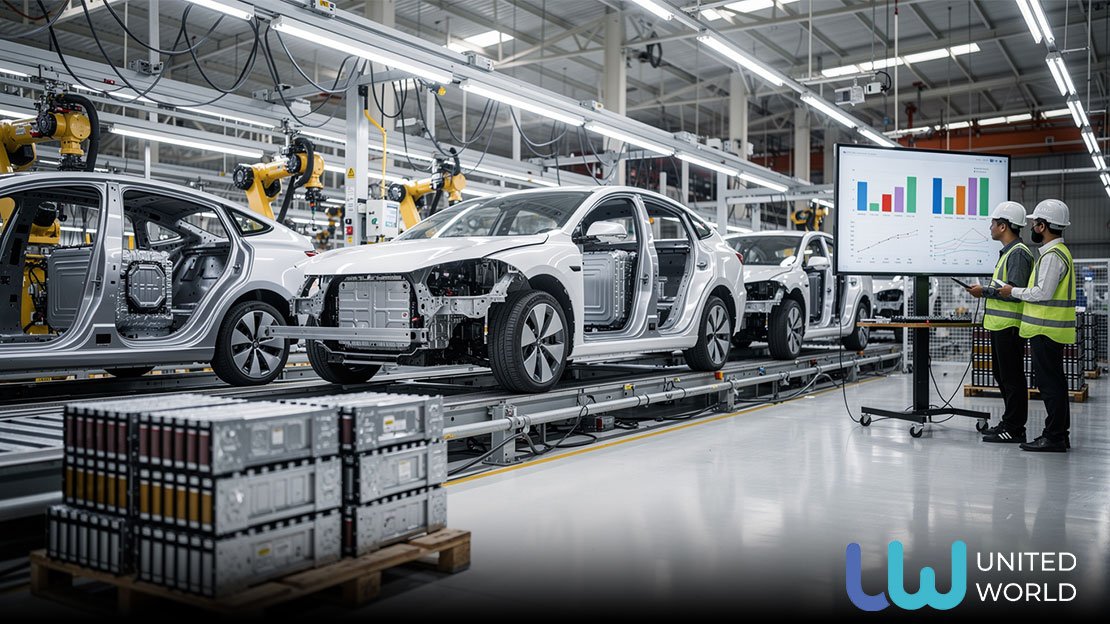
Battery production itself is both energy-intensive and carbon-heavy, typically occurring in carbon-intense electricity regions. Life cycle GHG emissions can be dominated by the battery production life cycle, in some cases exceeding the total life cycle emissions of a traditional ICE vehicle. As Indonesia, Thailand, and Malaysia have emerged as regional producers of both batteries and electric vehicles, tackling upstream emissions will be necessary. Without the combination of carbon-heavy industrial policy and clean energy use in the process of battery production, any environmental benefits from manufacturing EVs will be difficult to realize.
While the mineral resources needed for producing batteries are abundant in Indonesia, they present an environmental challenge in themselves. Specifically, open-pit nickel mining causes deforestation, pollutes water resources, and leads to local population displacement. In the absence of sound environmental regulations, sustainable mining practices, and environmental protection measures, the environmental impact of satisfying global battery demand may outweigh the climate benefits of the electric transport transition.
Proper handling and recycling of spent batteries pose another set of challenges for ASEAN countries. End-of-life EV batteries are classified as hazardous and flammable; hence, their improper disposal may lead to negative consequences, both environmental and health-related. While recycling plants are usually underdeveloped in ASEAN, the presence of an informal sector dealing with battery disposal without adequate environmental measures further increases risks. Closed loop recycling and second-life battery applications constitute part of a solution; however, proper recycling will require collaboration between industries, innovation in recycling technologies, and proper regulations to ensure traceability.
The creation of a joint recycling facility across ASEAN nations will allow sharing costs and reducing environmental risks via economies of scope and scale.
Environmental impact resulting from water use and land use of EV infrastructure is also worth considering. EV charging stations and batteries and mineral production are typically very water-intensive; thus, competition with local communities for scarce resources will likely occur. Land use changes related to EV fabrication facilities and open-pit mines are another aspect that requires careful management to avoid disrupting ecosystems.
Despite the above, there are good environmental prospects for EVs in ASEAN in the longer run, as grid decarbonization and improvements in battery efficiency and lighter materials will drive down life cycle emissions. To capitalize on these prospects, policy action in ASEAN will need to transcend a simplistic view of greening transport and embrace a comprehensive framework that takes into account all factors of the EV life cycle. It will require integrating energy, industrial, environmental, and transport policies to create an interconnected system.
In other words, ASEAN nations will need to abandon a narrow interpretation of sustainable transport. It means adopting a policy framework focused on the life cycle emissions of EVs, responsible mining practices, manufacturing of batteries, and end-of-life battery disposal and recycling. International collaboration, for example, through an ASEAN Electric Vehicle Ecosystem Task Force, can help achieve harmonized standards, investment in recycling technologies, and information exchange to ensure effective policymaking.
Electric mobility is not necessarily environmentally friendly. Its performance in terms of climate impact depends on carbon-intensive and underdeveloped infrastructures related to the mining of minerals, electricity generation, and battery recycling facilities. Therefore, the shift toward green transport in ASEAN cannot be limited to transport innovations. Instead, it must involve a holistic approach that takes into account the entire life cycle of electric vehicles.