

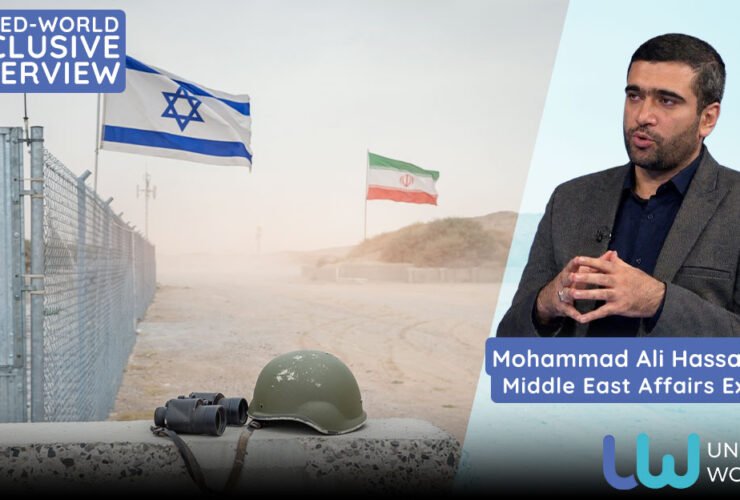
By Azar Mahdavan, from Tehran, Iran Following the full-scale confrontation between Iran and Israel, the relative silence from Tel Aviv toward Tehran has become one of the most significant ambiguities in regional equations. Even during the military clashes between Iran and the United States in July—which occurred in the wake of the “Forty-Day War”—the Israeli government chose not to directly ...
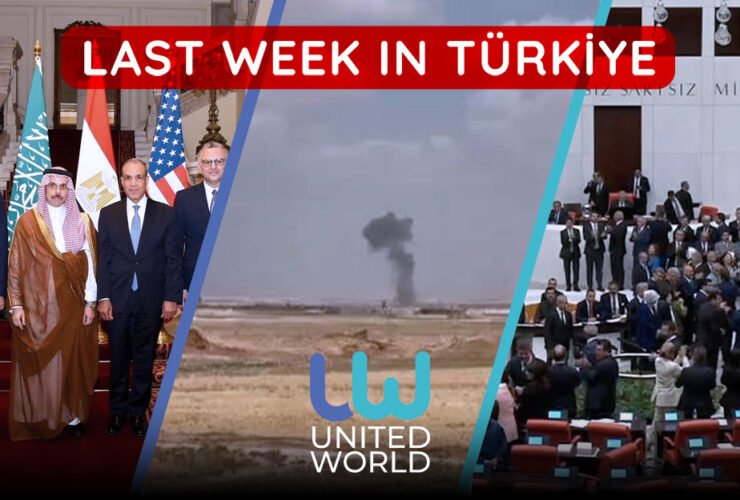
Despite the August heat, Türkiye had a busy agenda last week. Foreign Minister Hakan Fidan visited Libya and Egypt. Israel’s attacks on Syria were another widely discussed topic. And the debate over the “framework law” related to the disarmament of the PKK terrorist organization continued. Foreign Minister visits Libya and Egypt Foreign Minister Hakan Fidan paid important visits to Libya ...

The German Army in Tunisia, 1943 During the Second World War, North Africa became one of the strategically important battlefields between the Axis Powers and the Allies. Between 1940 and 1943, Germany’s military presence in the region profoundly affected not only frontline warfare but also the lives of civilians, the fate of African soldiers serving in colonial armies, and the ...
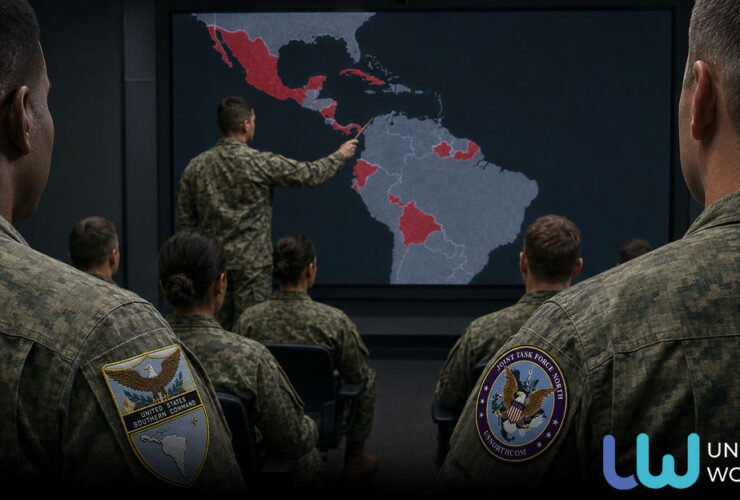
By Fernando Esteche Buenos Aires awoke this week to reinforced security around the Palacio Libertad. Three days behind closed doors, with between 400 and 600 security officials from over one hundred countries, under a motto that already foreshadows the tone: “Justice through strength and unity.” No press coverage or broadcasts. Considering this government’s habitual punitive approach, this silence is a ...
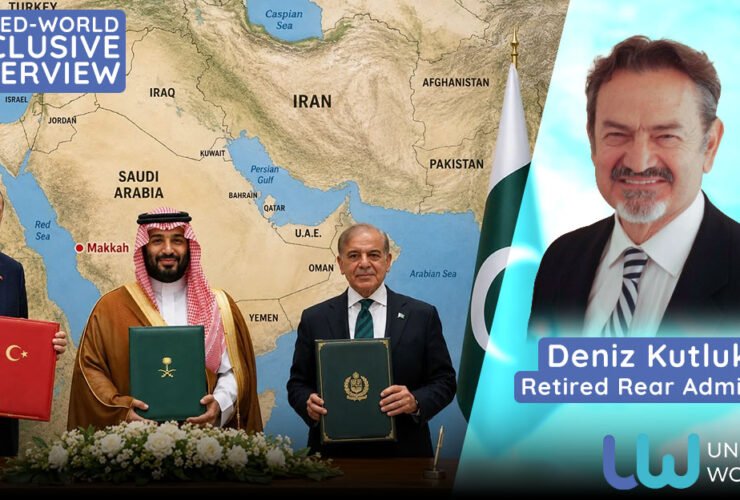
On August 7, Türkiye, Saudi Arabia, and Pakistan signed the “Mecca Mutual Defense Agreement.” The agreement came as a surprise. But that surprise is hardly surprising: there had been no sign that such a pact was in the works. At least not for those “outside the state apparatus.” The process that led to the agreement remains as obscure as the ...
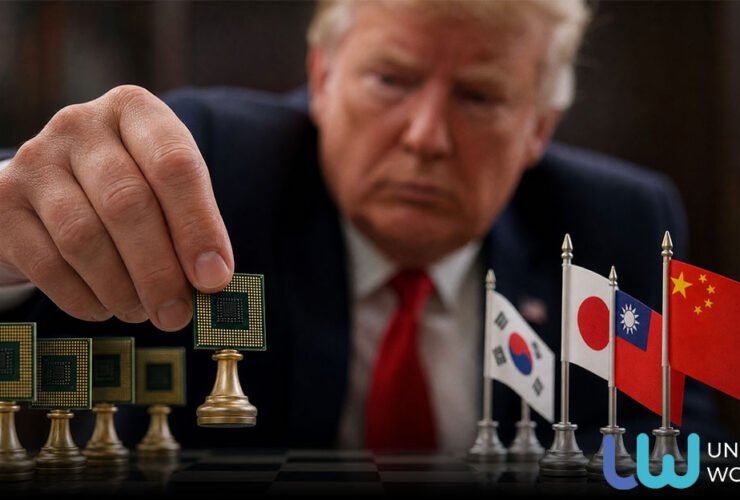
By Mehmet Enes Beşer As far as one can see, the US plan regarding semiconductors follows an industrial approach based on national security concerns and techno-nationalism rhetoric. In this regard, supply chains need to be protected, domestic manufacturing promoted, and dependence on Asia reduced. These are the major elements of the policy package consisting of restrictions on the sale of ...
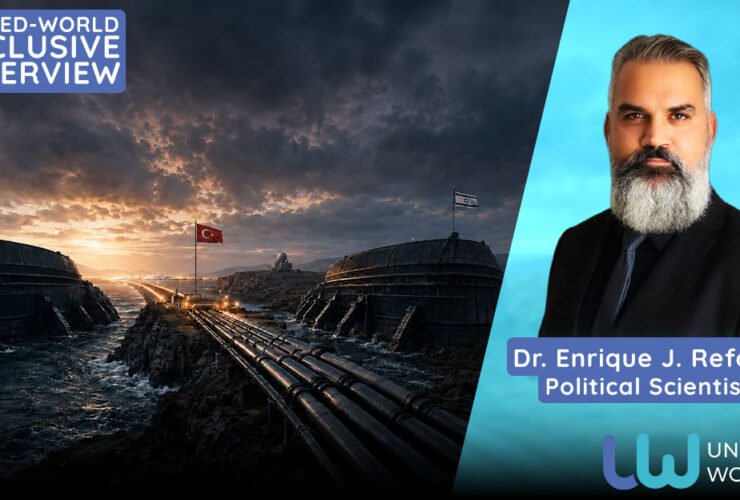
By Yiğit Saner As military cooperation between Israel, Greece and South Cyprus deepens in the Eastern Mediterranean, Türkiye is increasingly being described by Tel Aviv as a regional threat. But is this rapprochement driven solely by military calculations? According to Spanish political scientist, academic and translator Dr. Enrique J. Refoyo, at the heart of the matter lie energy, natural resources ...
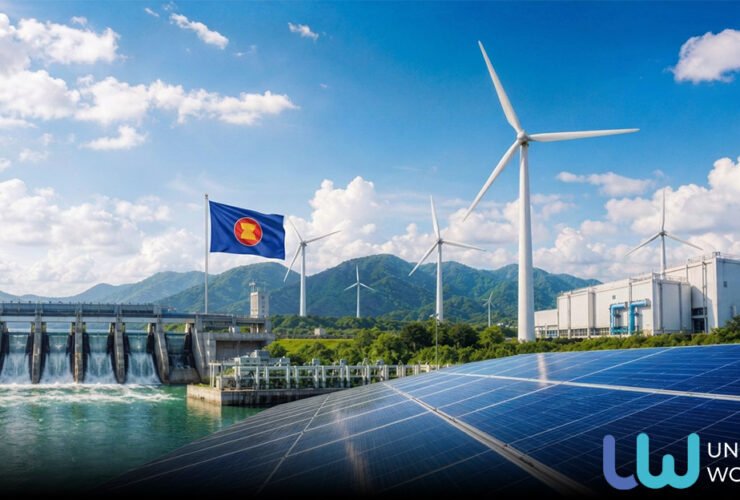
By Mehmet Enes Beşer Renewable energy conversion and utilization in ASEAN represent an integral part of the transition to energy production and consumption systems of the future. Rising demands for electricity due to economic development, population growth, and urbanization lead to higher reliance on renewable energy in the region as the cornerstone of energy sustainability, energy security, and resilience. Still, ...
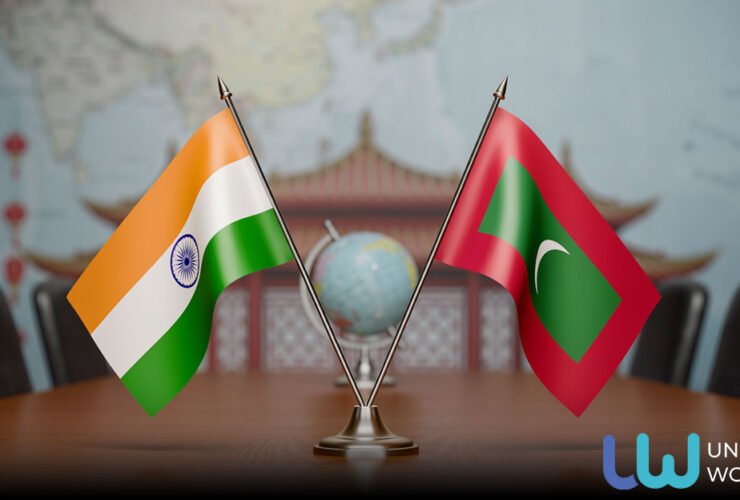
By Mehmet Enes Beşer Once viewed as the archetypal case of neighbor diplomacy, the relationship between India and the Maldives is becoming increasingly contentious due to recent changes in both countries’ politics. Despite their longstanding history of interaction in terms of trade, culture, and security matters, the transformation in the governance of Malé coupled with rising nationalism in India is ...
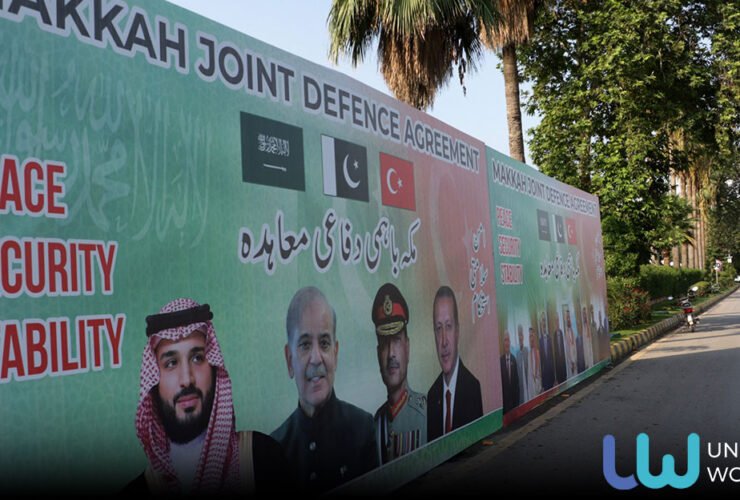
The recent Mecca Agreement between Türkiye, Saudi Arabia and Pakistan has been presented as the beginning of a new regional security architecture. Yet behind the language of cooperation and deterrence lies a fundamental ambiguity: the alliance does not clearly identify the threat against which its members are supposed to act. For Alptekin Dursunoğlu, editor-in-chief of the Near East News agency, ...